Country Hills Locksmith Services
Issue 3 of 3LocksmithKitchener, Ontario
Lock Replacement & Upgrade: what the visit covers
After a break-in or an attempt, the door tells a story, and the new hardware should answer it.
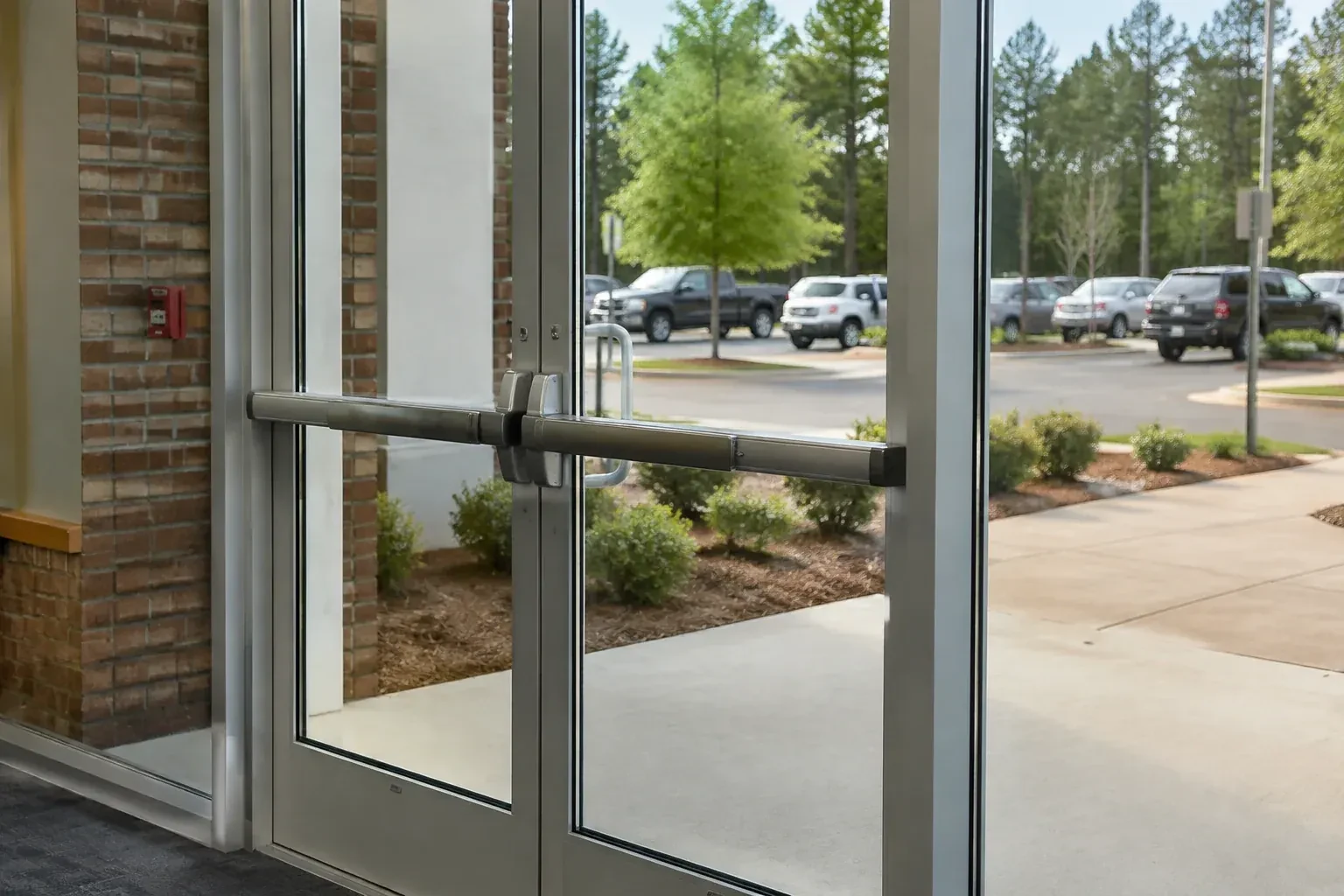
After a break-in or an attempt, the door tells a story, and the new hardware should answer it. Splintered wood around the strike means the jamb gave before the lock did, so the repair pairs a heavier deadbolt with a reinforced strike and 75 millimetre screws that reach the framing behind the jamb. A bent bolt or cracked housing is replaced with a graded deadbolt whose bolt has a hardened core. A knob lock that was bumped or forced is swapped for a set with better pins. The aim is a whole opening that resists force, not merely a shinier lock.
Who is asking for the change
The first check is about the person, not the door. An owner can change any lock on their home. A tenant who wants new hardware on the unit door needs the landlord's agreement, and a landlord who changes a lock while a tenant lives there hands over new keys. The locksmith asks which situation applies and, where paperwork helps, looks at identification, a deed, a lease or a property-management note. It takes a minute and it means the new lock goes on with everyone who has a stake in the door knowing about it, which is exactly how a lock should start its working life.
Setting and reinforcing the strike
The strike side is where a replacement earns most of its value. With the door closed, the bolt is thrown and its mark checked against the pocket so the strike can be positioned to accept the full throw without rubbing. A shallow pocket is deepened until the bolt seats to its stop. Then a reinforced strike or a strike box is fitted using 75 millimetre screws that pass through the jamb and bite into the framing behind it, which is what stops a jamb splitting under a kick. Where an old forced entry has cracked the wood, it is glued and dowelled or a repair plate is fitted first.
The rental paperwork, quietly sorted
If the door belongs to a rental unit, the visit finishes with the keys in the right hands. When a landlord orders the change, giving the tenant a full set of new keys is standard practice. When a tenant orders it with the landlord's consent, a key for the landlord is cut alongside the household's and the consent is noted. The locksmith can leave a short written record of the hardware fitted and the keys issued for the property file, so both sides know what is on the door and nobody is surprised at the next inspection or move-out.